Soft, Timeless Tones That Create Calm and Balance
A neutral bedroom color palette is one of the most reliable ways to create a peaceful, inviting space. Neutral tones don’t compete for attention—they work together quietly, allowing your bedroom to feel grounded, airy, and effortlessly stylish. Whether your taste leans modern, cozy, minimalist, or classic, neutrals provide the perfect foundation.
Neutral doesn’t mean plain. It means intentional, layered, and timeless.
Why Neutral Color Palettes Work So Well in Bedrooms
Neutral colors support rest and relaxation.
They help to:
- Create a calming environment
- Make rooms feel larger and brighter
- Adapt easily to changing decor styles
- Age gracefully without feeling dated
- Highlight textures and materials
A neutral palette lets your bedroom breathe.
Core Colors in a Neutral Bedroom Palette
Neutral palettes are built from soft, balanced tones rather than stark contrasts.
Common neutral bedroom colors include:
- White and off-white
- Cream and ivory
- Beige and sand
- Taupe and greige
- Soft gray
- Warm brown tones
The key is choosing undertones that work together.
How to Build a Neutral Bedroom Color Palette
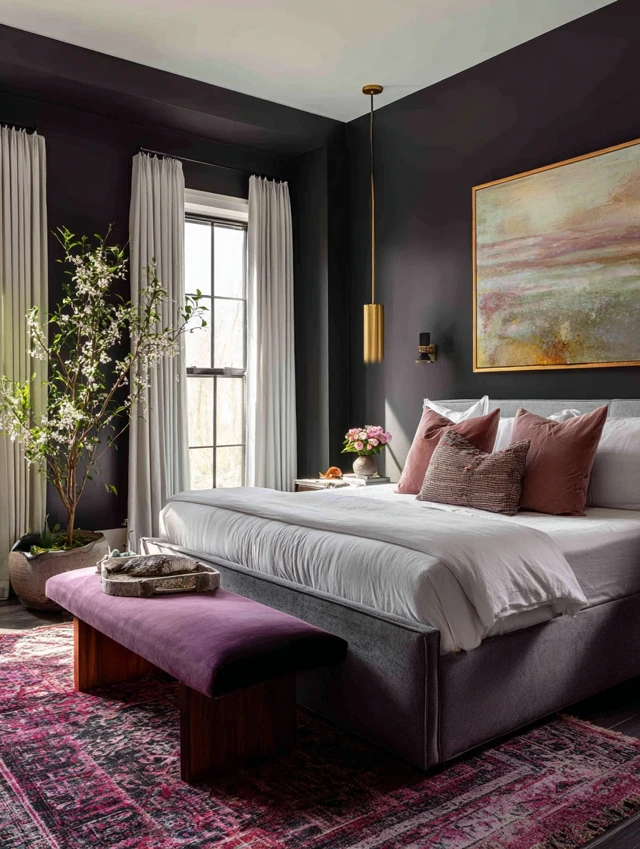
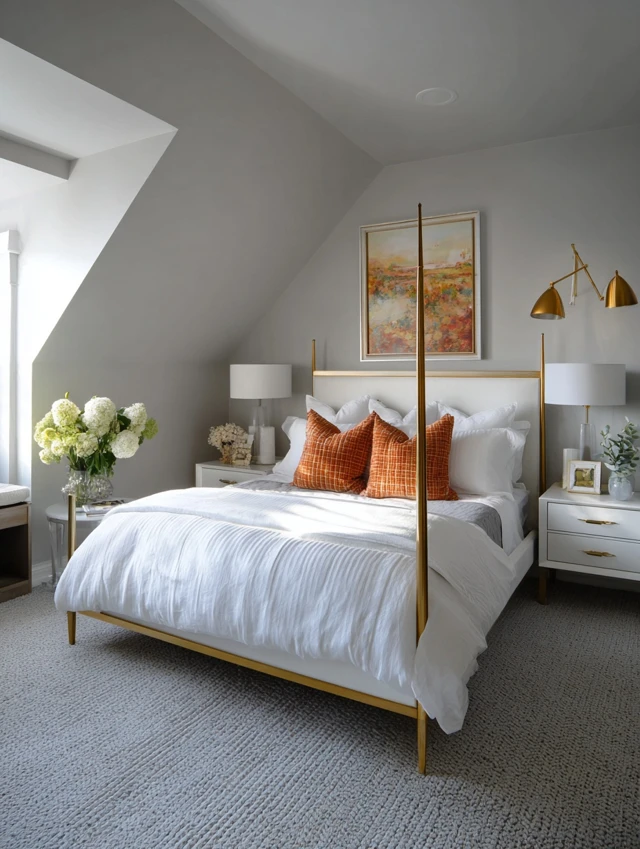
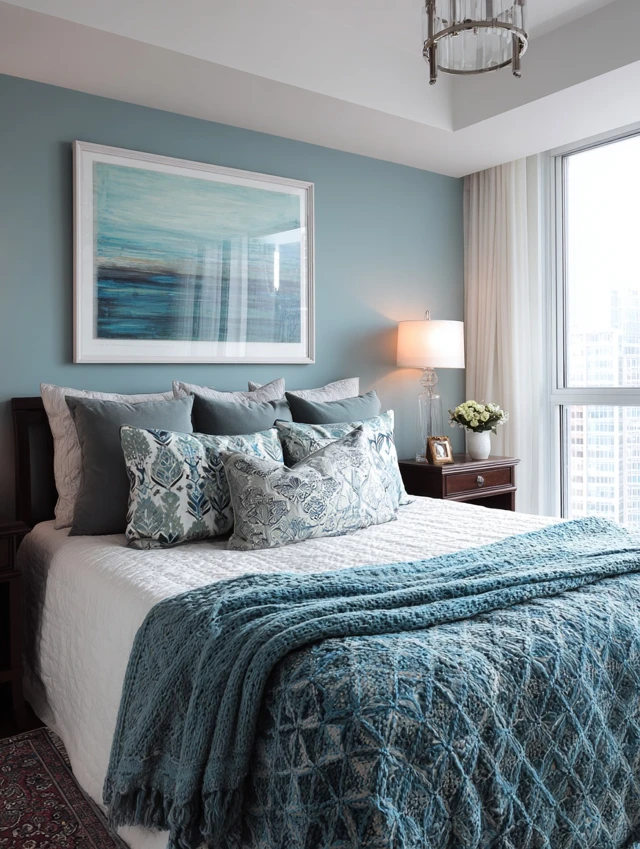
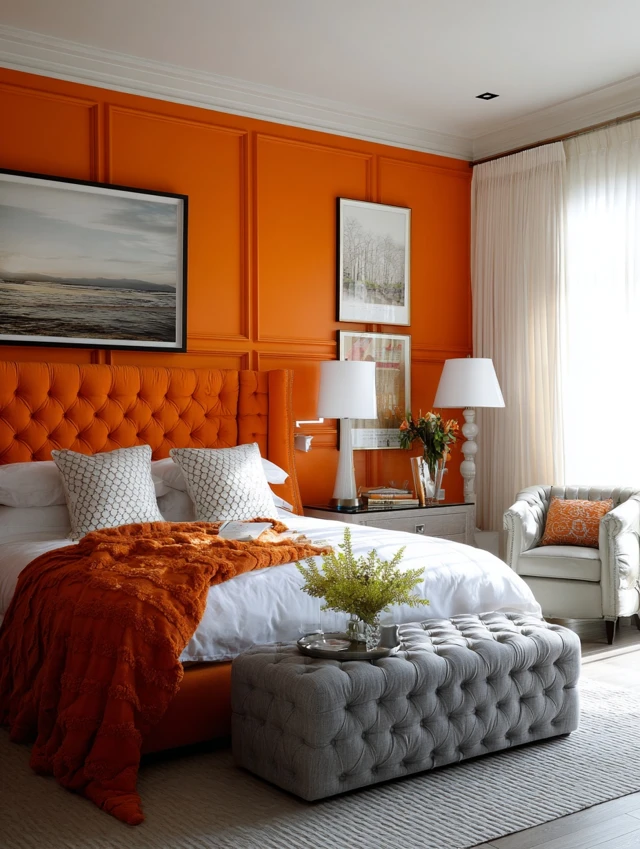
1. Choose a Base Color
This sets the mood of the room.
- Warm whites for coziness
- Soft gray for modern calm
- Beige for warmth and softness
1
2
3
4
Tip:
Avoid pure white—it can feel cold at night.
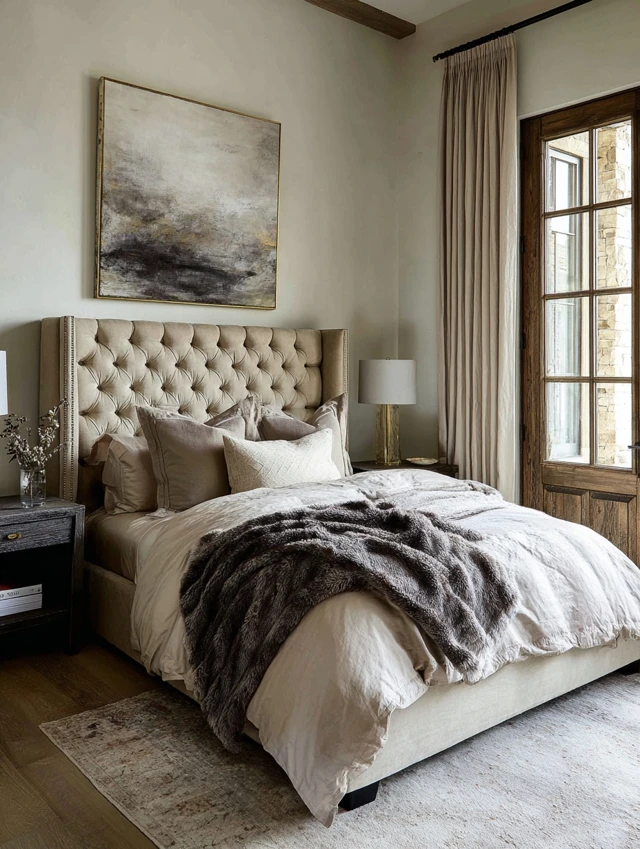
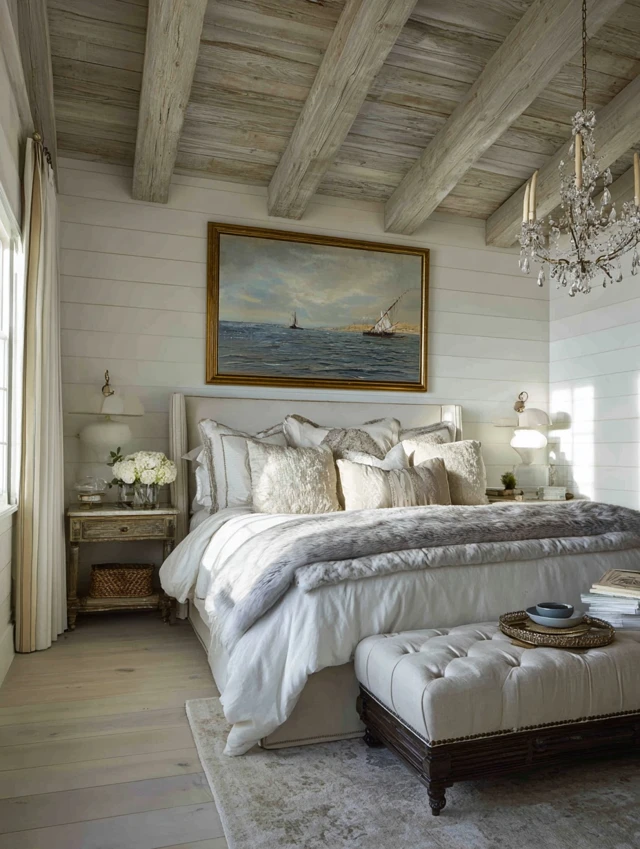
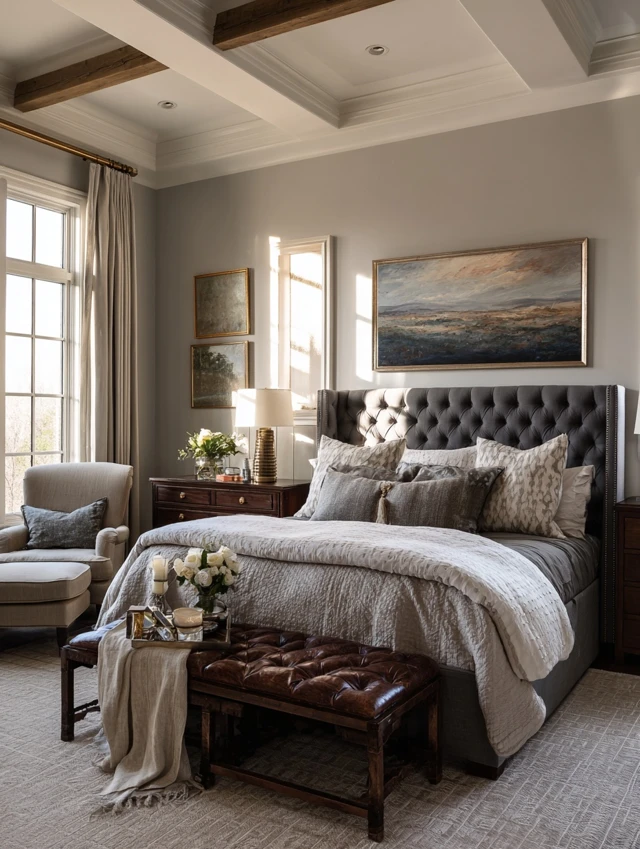
2. Add Depth With Secondary Neutrals
Layer 2–3 additional tones.
- Light walls + darker bedding
- Pale furniture + deeper accents
1
2
3
4

Why it works:
Layering prevents the room from feeling flat.
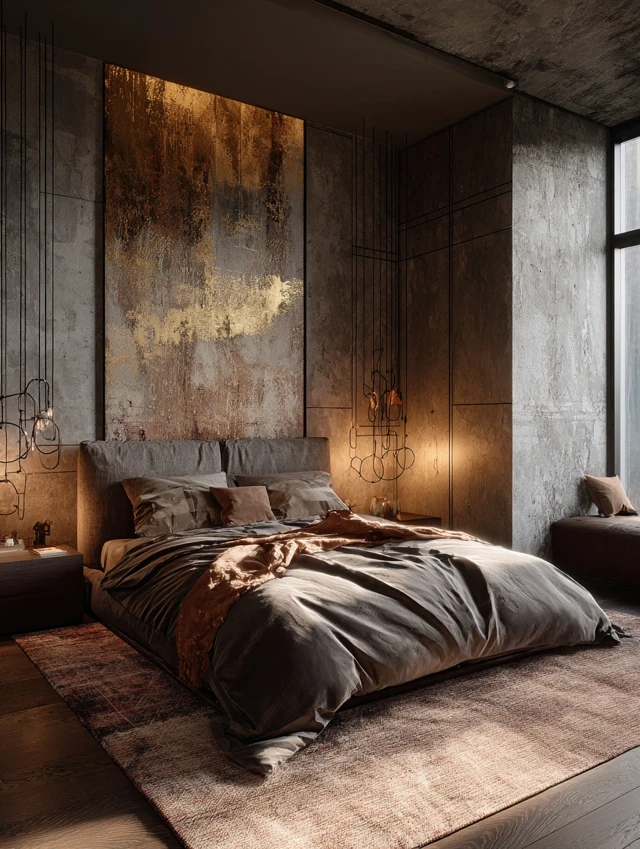
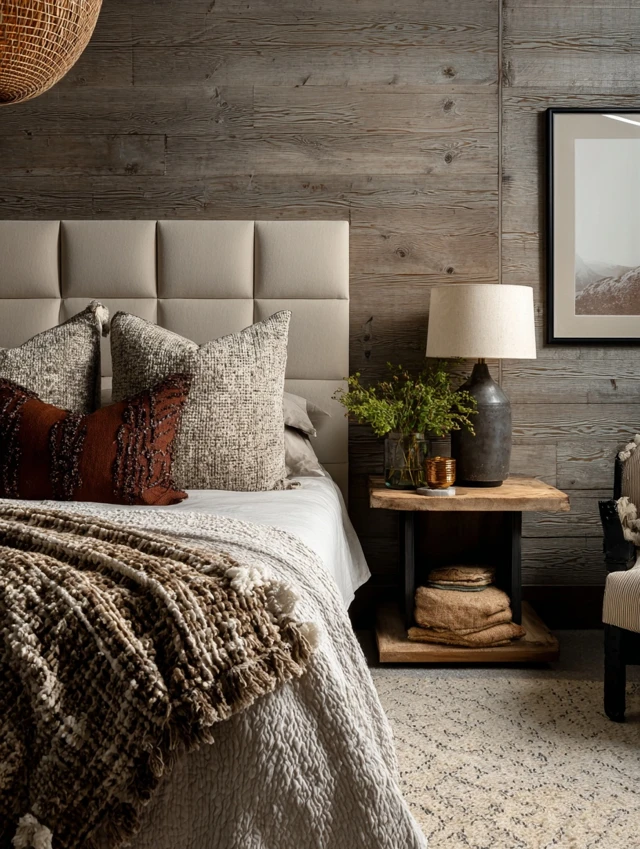
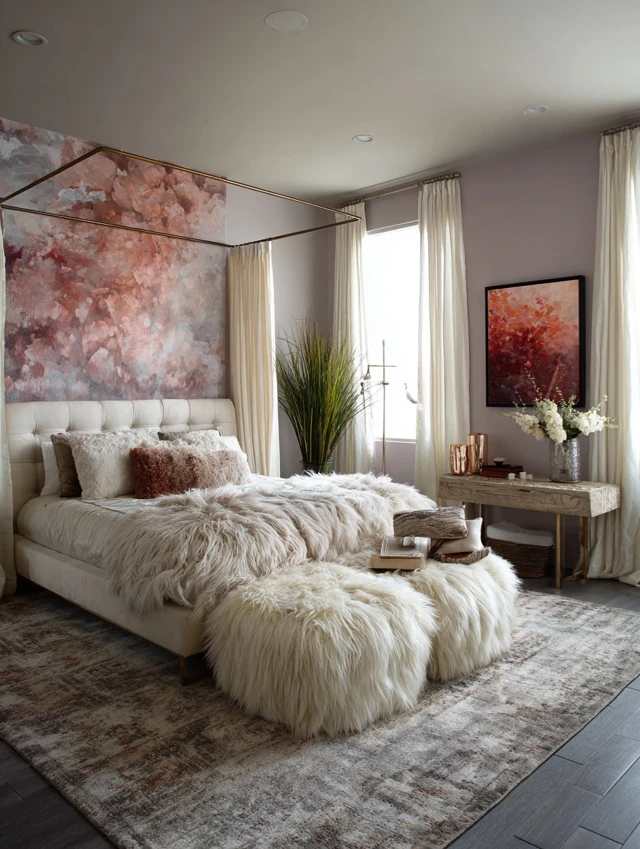
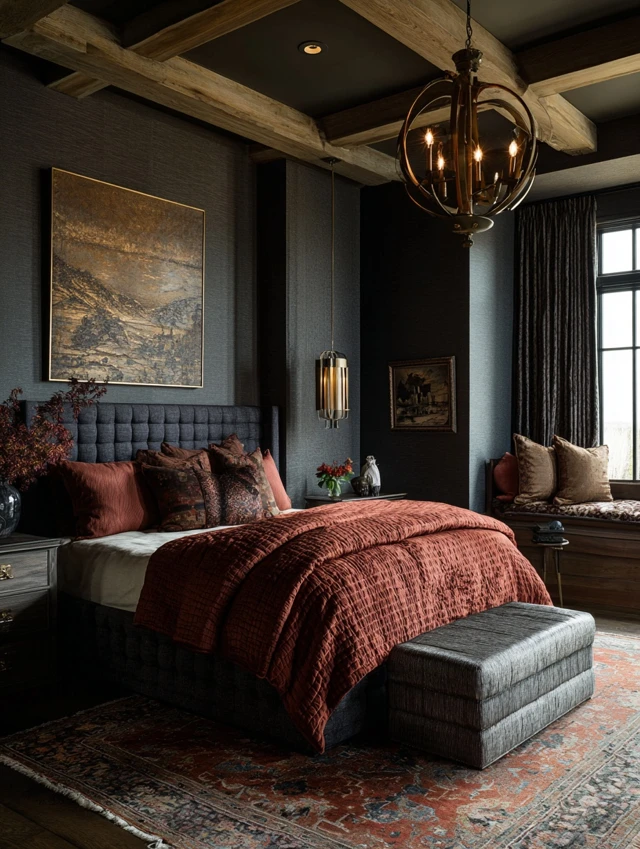
3. Use Texture Instead of Color
Texture replaces bold hues.
- Linen bedding
- Wool or cotton throws
- Wooden furniture
- Woven baskets
1
2
3
4
Why it works:
Texture creates visual interest without breaking the calm.
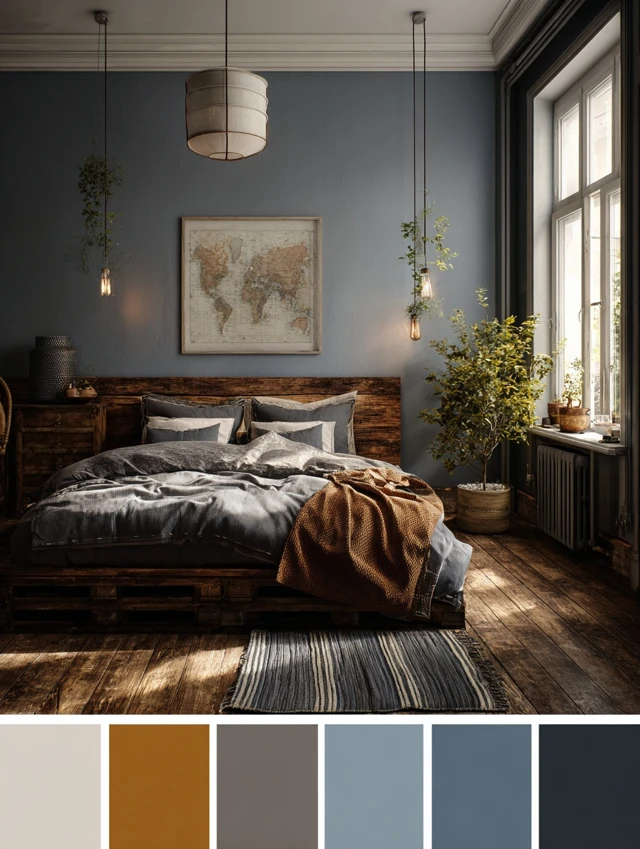
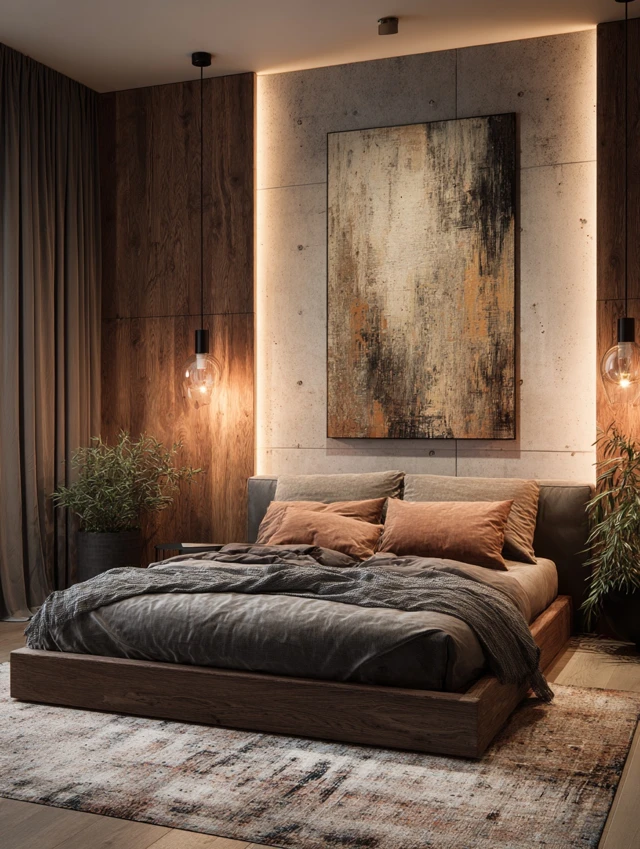
4. Balance Warm and Cool Tones
Too much of one can feel off.
- Pair warm beige with soft gray
- Mix ivory with natural wood
1
2
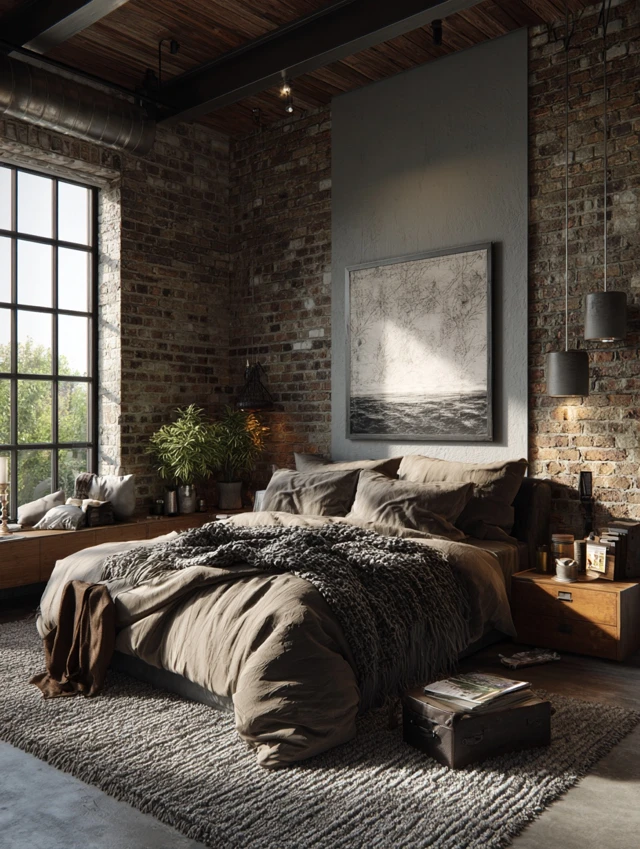
3
4
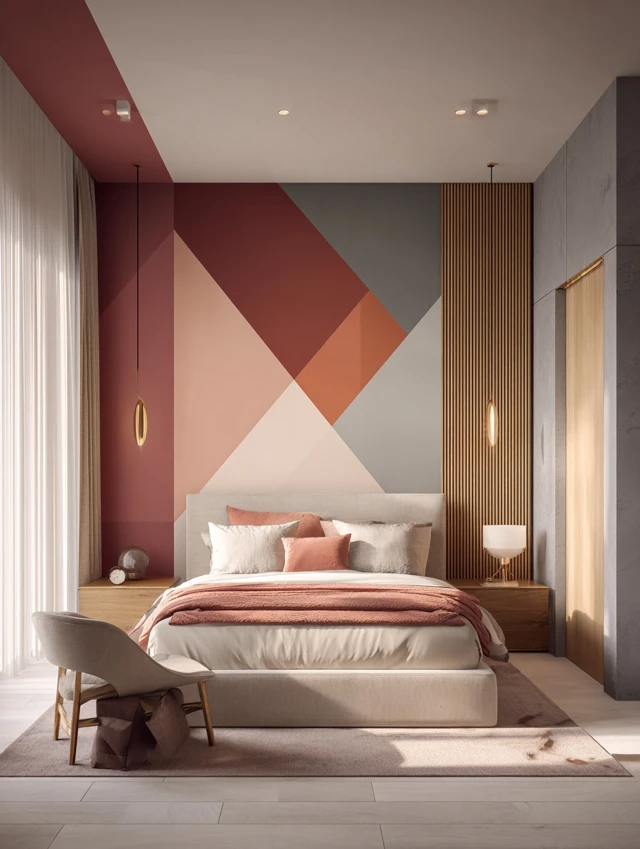
Why it works:
Balanced tones feel more natural and relaxing.
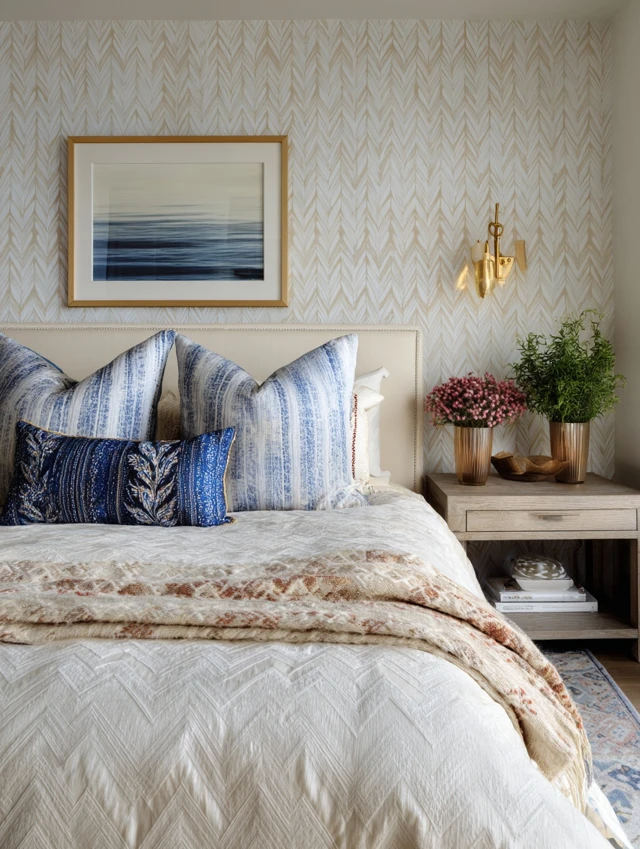
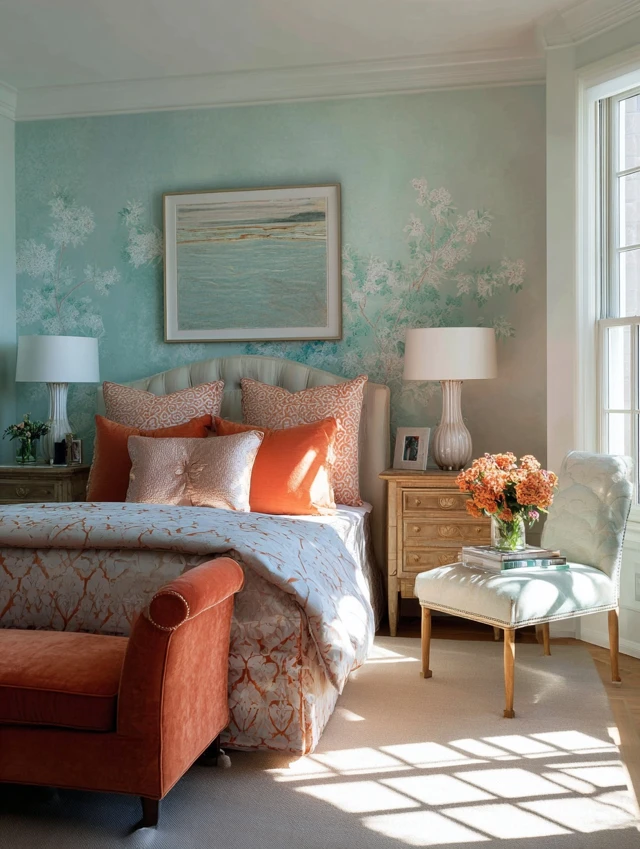
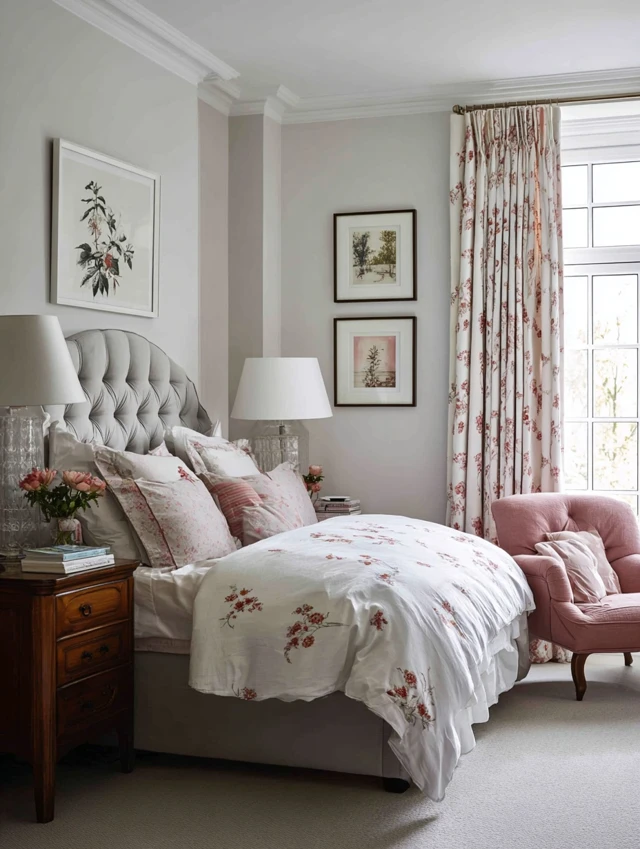
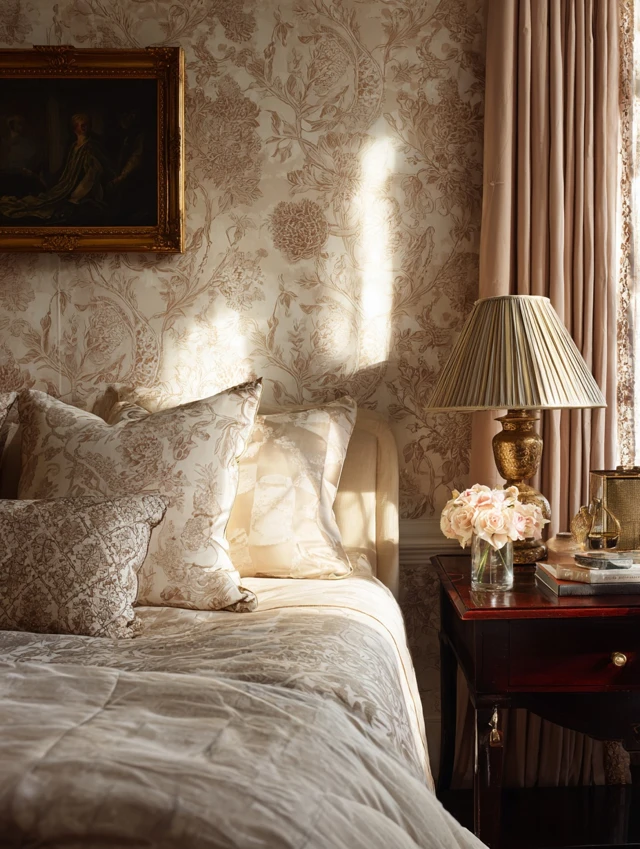
5. Keep Patterns Subtle
If you use patterns, keep them soft.
- Thin stripes
- Organic shapes
- Light geometric prints
1
2
3
4
Why it works:
Adds interest without overwhelming the palette.
Neutral Bedroom Palette Ideas by Style
Cozy Neutral Bedroom
- Cream walls
- Beige bedding
- Warm wood accents
Feels soft, inviting, and comfortable.
Modern Neutral Bedroom
- Light gray walls
- White bedding
- Black or dark wood accents
Clean, calm, and contemporary.
Minimalist Neutral Bedroom
- White or off-white walls
- Matching bedding tones
- Minimal decor
Quiet, open, and uncluttered.
Earthy Neutral Bedroom
- Sand and taupe tones
- Natural fibers
- Clay or stone accents
Grounded and nature-inspired.
Common Neutral Bedroom Mistakes to Avoid
- Using too many similar shades with no contrast
- Ignoring texture completely
- Mixing clashing undertones
- Overusing gray and making the room feel cold
- Forgetting warmth in lighting
Neutral bedrooms rely on balance, not sameness.
Lighting Matters in Neutral Bedrooms
Lighting can make or break neutrals.
- Use warm bulbs
- Add multiple light sources
- Avoid overly cool LED lighting
Soft lighting enhances neutral tones beautifully.
Final Reflections: Calm That Lasts
A neutral bedroom color palette isn’t just a design choice—it’s a lifestyle one. It creates a space where you can unwind, reset, and feel at ease no matter how busy life gets.
Neutrals don’t shout for attention. They whisper calm. And in a bedroom, that quiet confidence is exactly what you want.