Where Stillness Lives: The Beauty of Calm Bedroom Colors
A calm bedroom doesn’t try to impress. It doesn’t compete for attention. It simply exists as a quiet place where your body and mind can finally let go. Calm bedroom color schemes aren’t about trends or bold statements — they’re about emotional balance, softness, and serenity.
These colors whisper instead of shout. They carry the feeling of early mornings, open windows, gentle light, and slow breathing. They don’t rush you. They hold you.
If your bedroom feels busy, restless, or heavy, a calm color palette can change everything.
Calm Colors Aren’t Just Pale — They’re Balanced
Calm bedroom colors live in soft, muted spaces:
- Soft sage green
- Misty blue
- Warm ivory
- Pale greige
- Dusty lavender
- Soft sand
- Muted blush
- Cool beige
- Pale eucalyptus
- Gentle taupe
These tones soothe the nervous system. They lower visual noise. They create emotional quiet.
Why Calm Bedrooms Feel So Good
Color affects mood more than we realize. Calm shades slow the heart rate, relax the eyes, and make spaces feel safer.
A calm bedroom feels:
- Light without being cold
- Soft without being dull
- Peaceful without being empty
- Restful without being sleepy
It becomes a place you look forward to returning to.
Calm Bedroom Color Schemes That Always Work
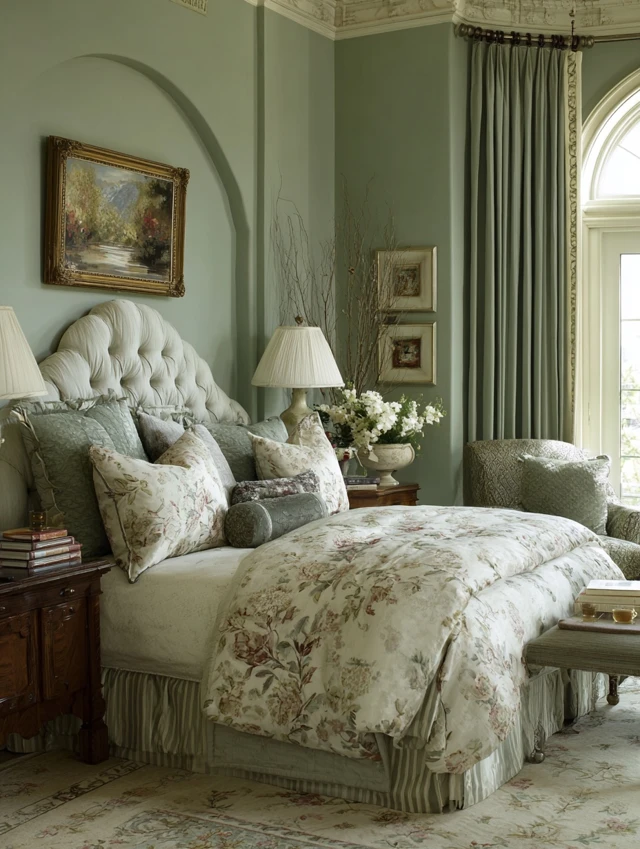
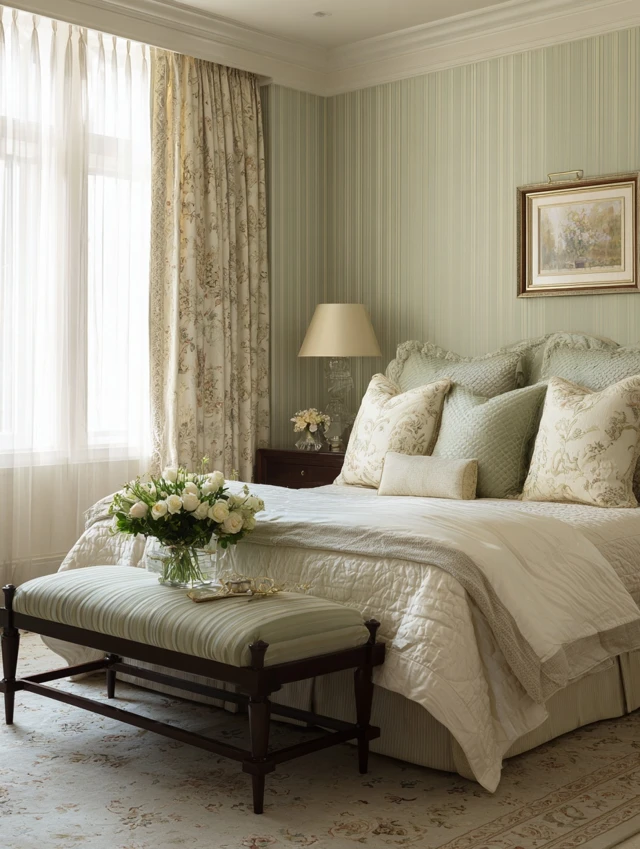
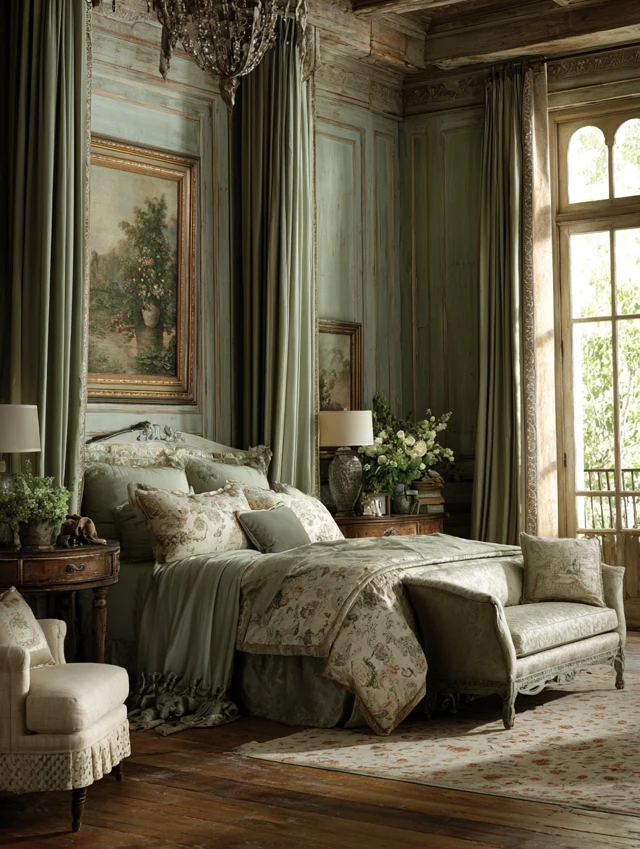
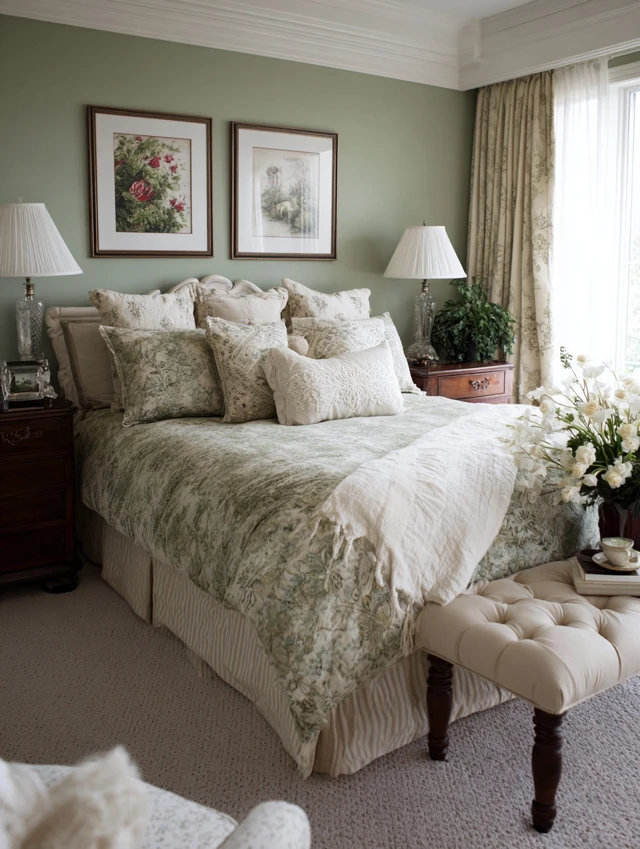
1. Sage Green and Cream
Nature-inspired and deeply grounding.
Why it works:
Sage brings calm while cream keeps it warm.
1
2
3
4
Styling tip:
Add wood accents and linen bedding.
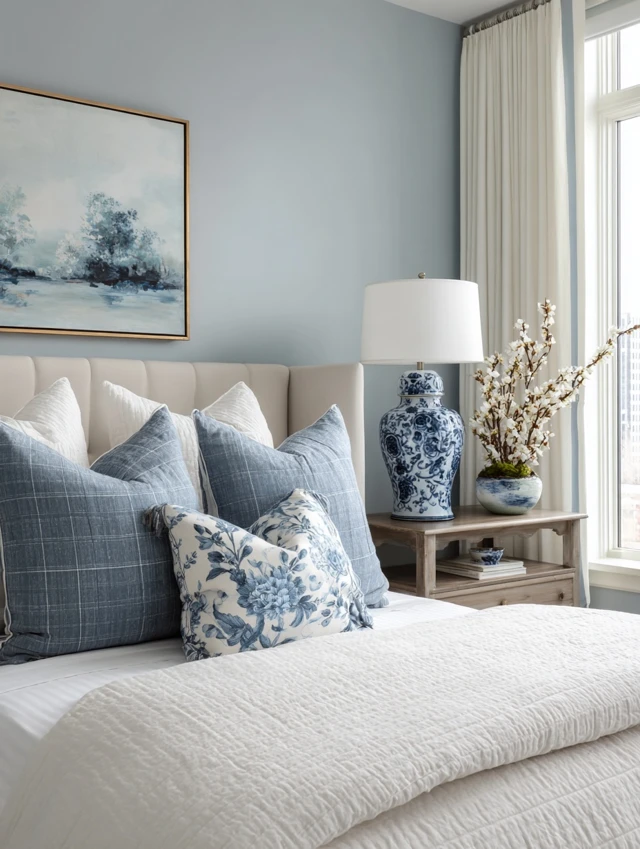
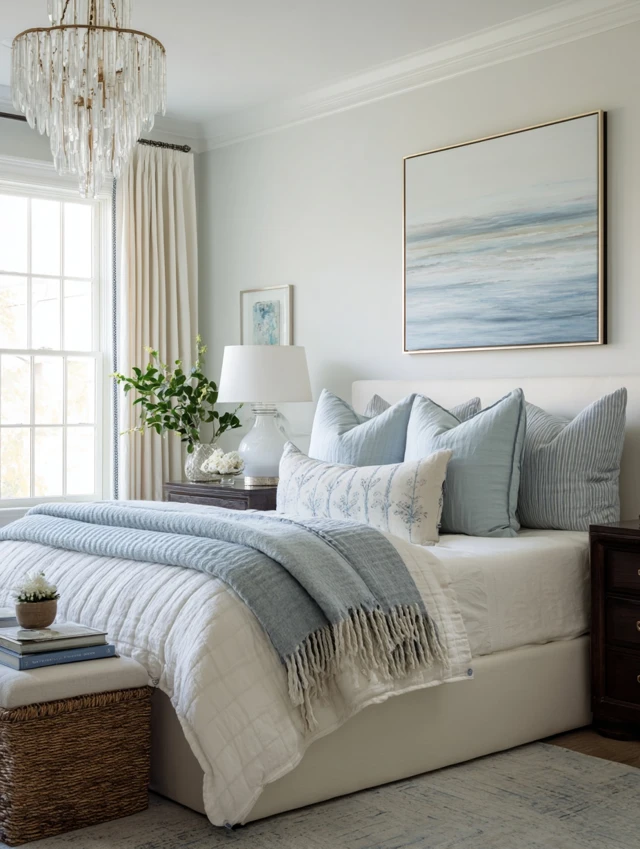
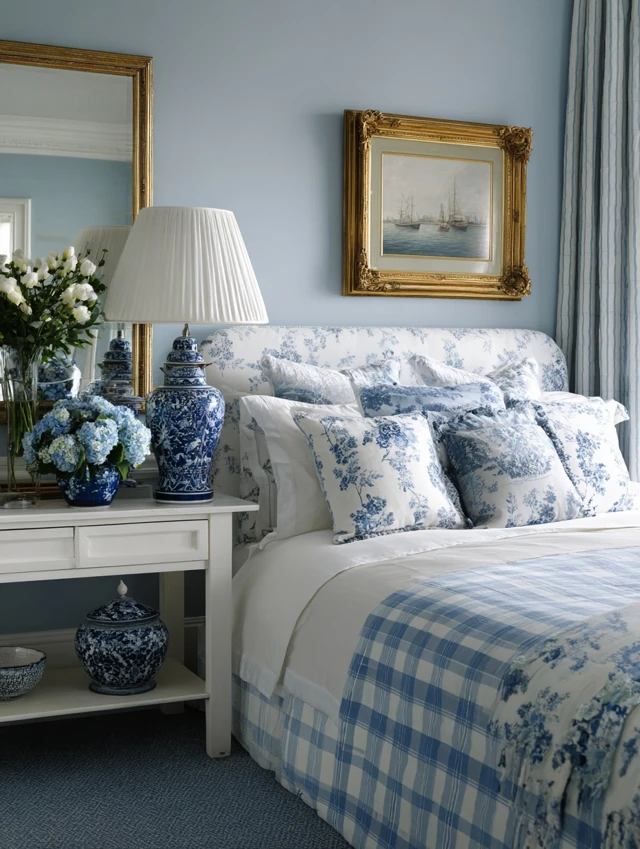
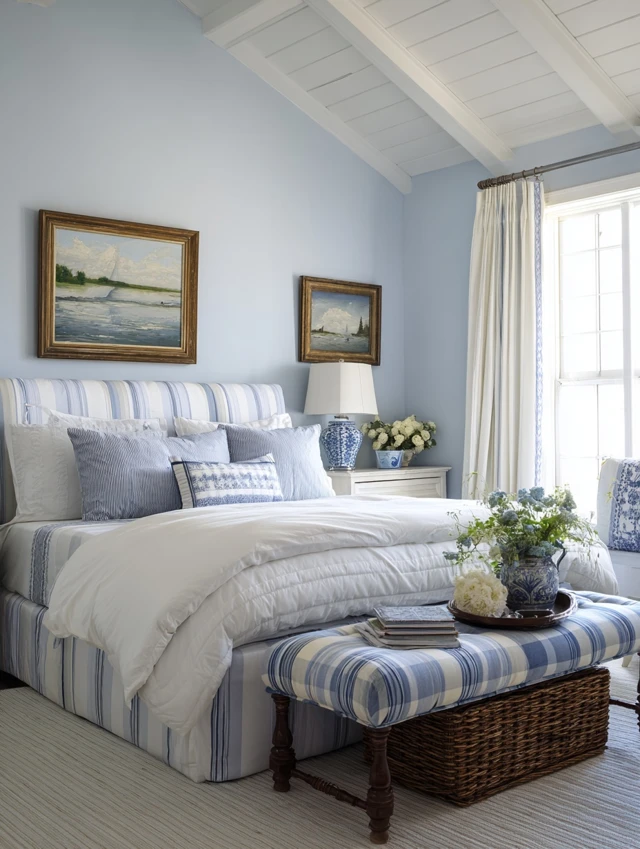
2. Soft Blue and White
Fresh, airy, and timeless.
Why it works:
Blue relaxes the mind while white brightens the space.
1
2
3
4
Styling tip:
Use layered textures to avoid a flat look.
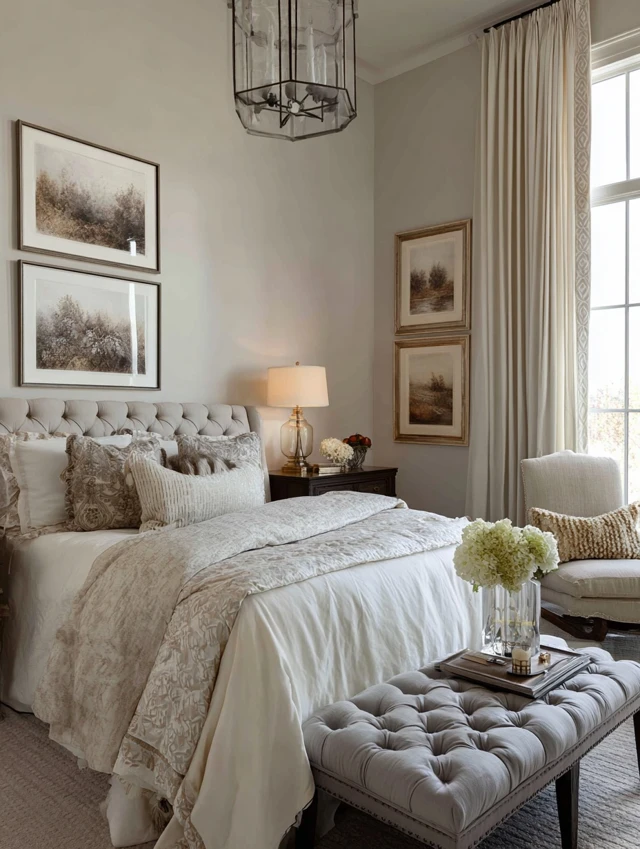
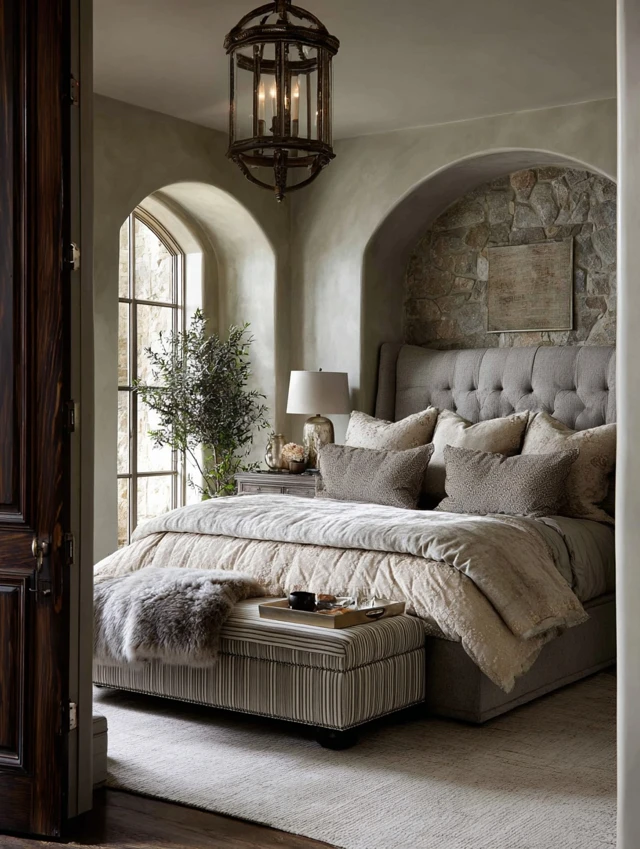
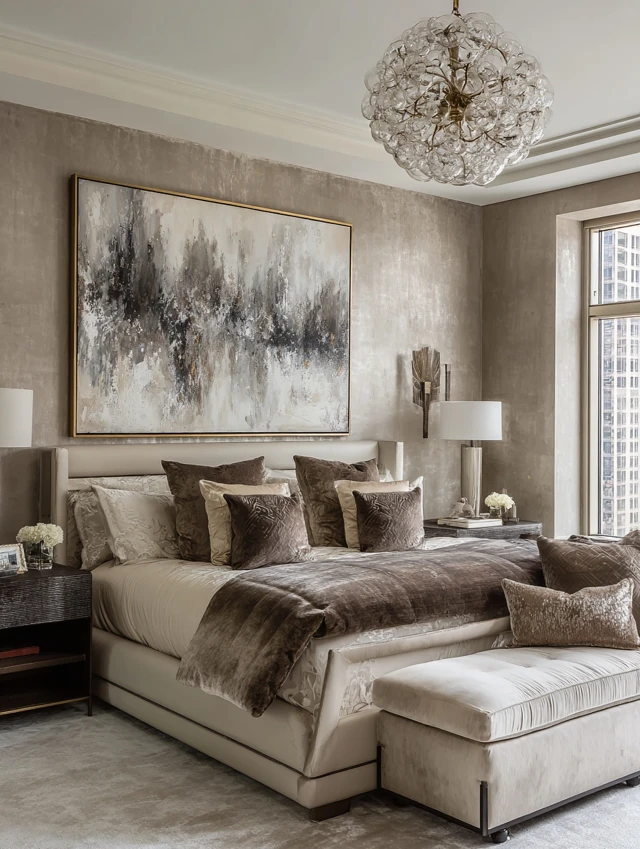
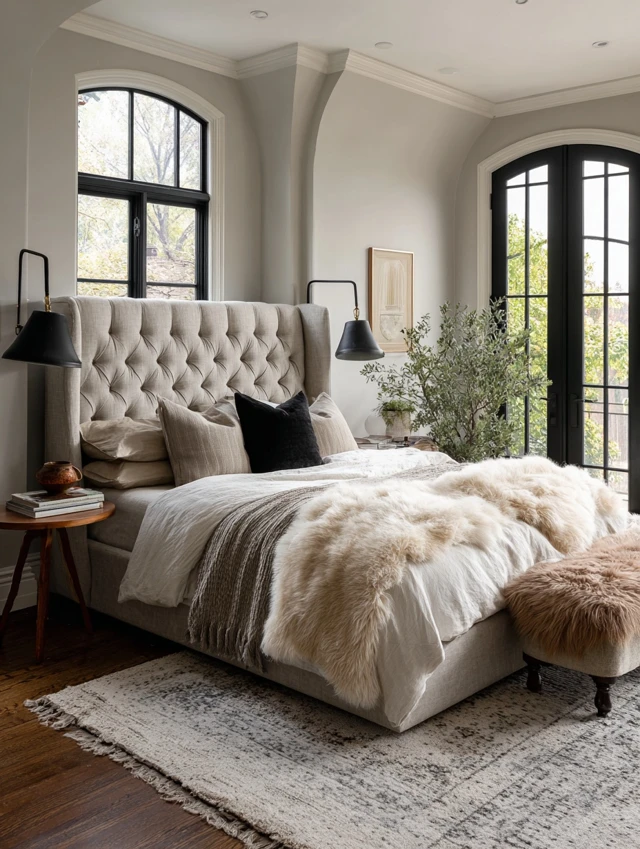
3. Greige and Ivory
Modern calm with warmth.
Why it works:
It balances cool and warm perfectly.
1
2
3
4
Styling tip:
Add soft lighting and cozy throws.
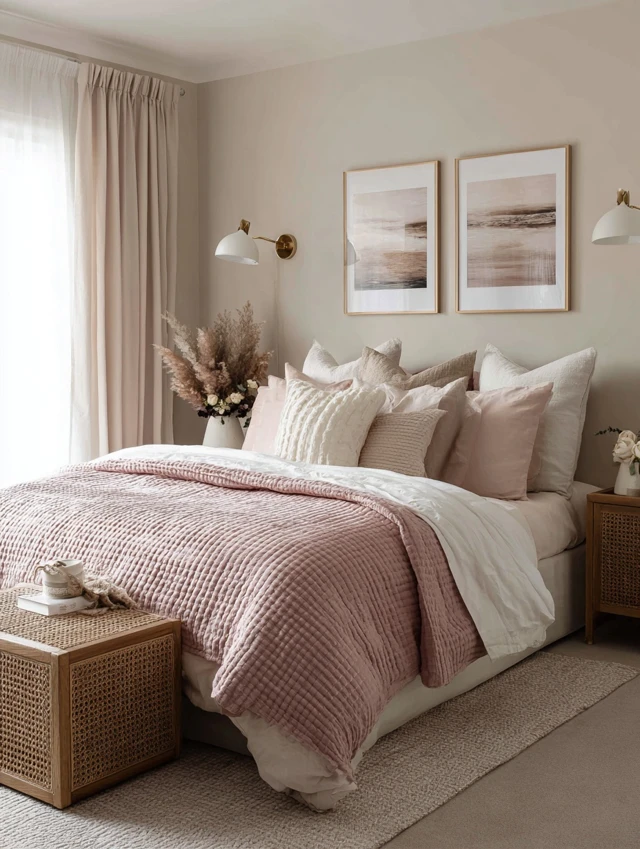
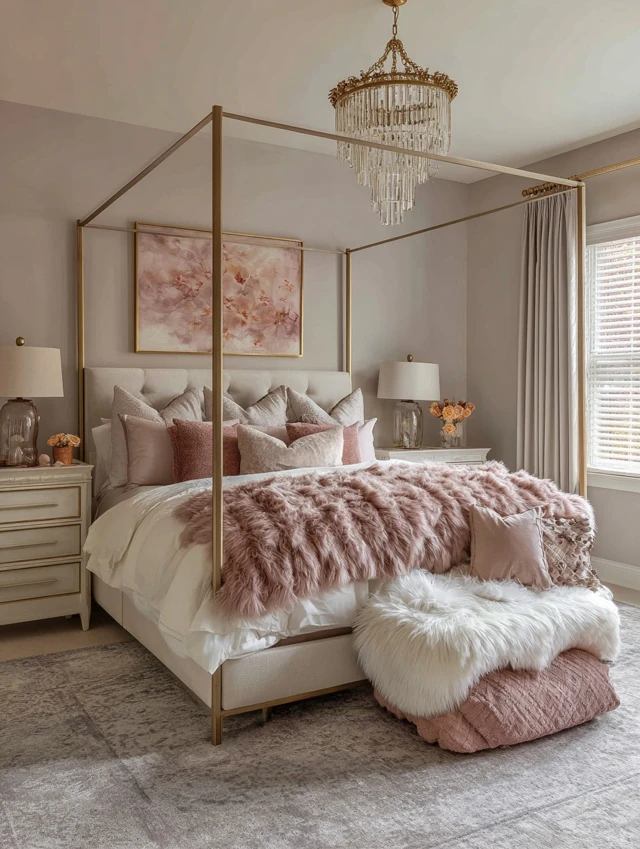
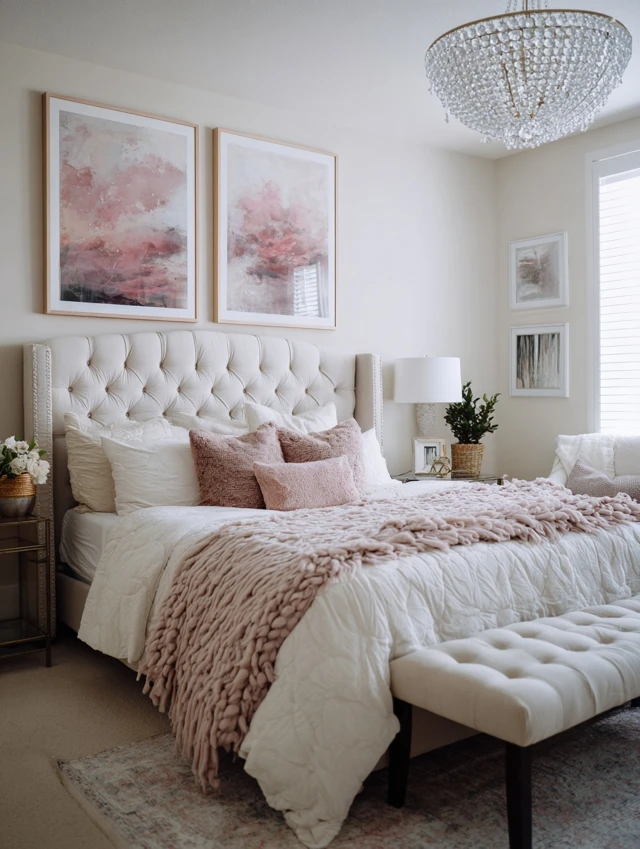
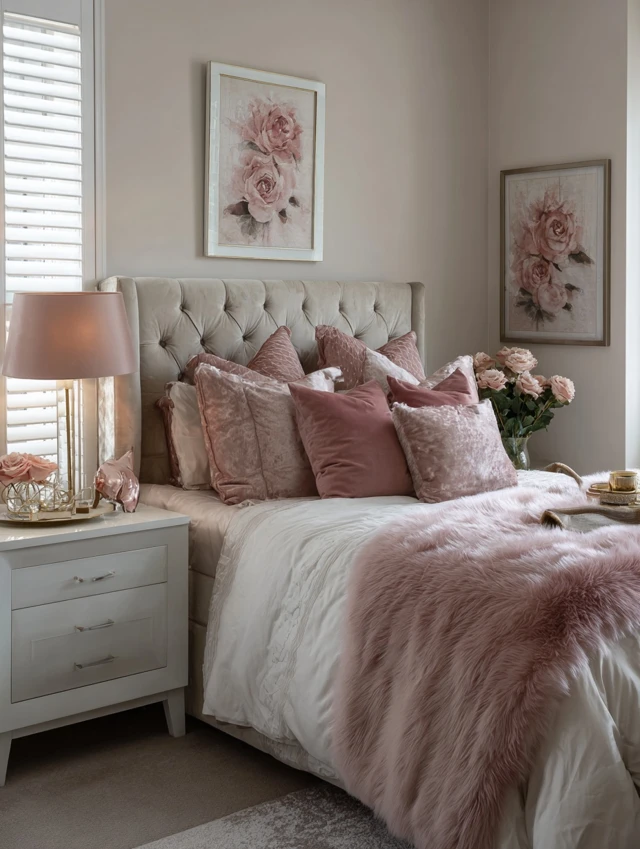
4. Blush and Taupe
Gentle and comforting.
Why it works:
Blush softens while taupe grounds.
1
2
3
4
Styling tip:
Keep blush subtle and muted.
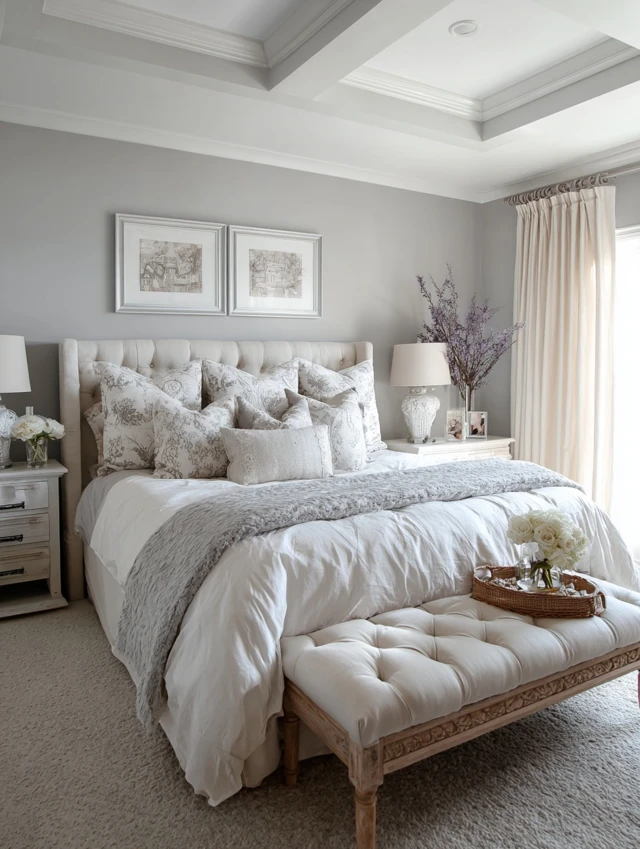
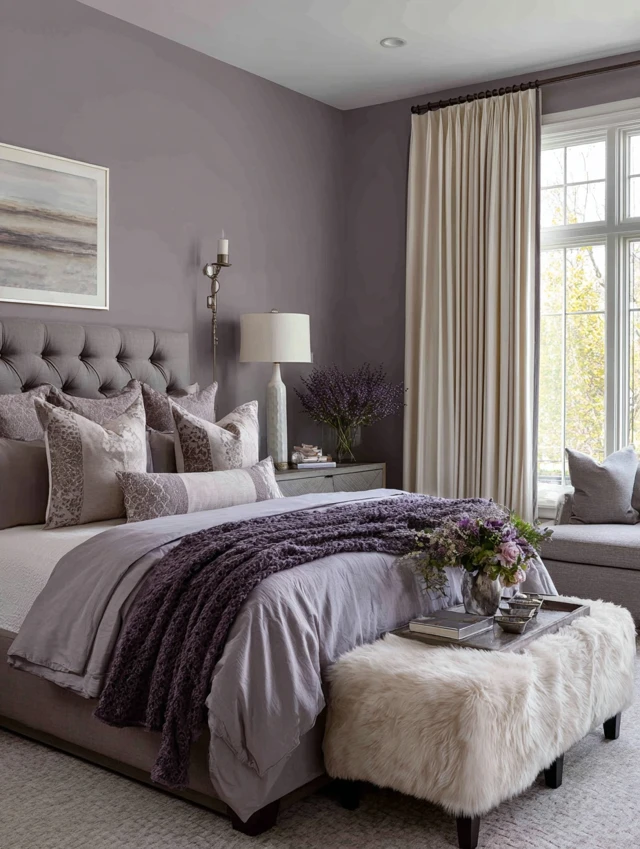
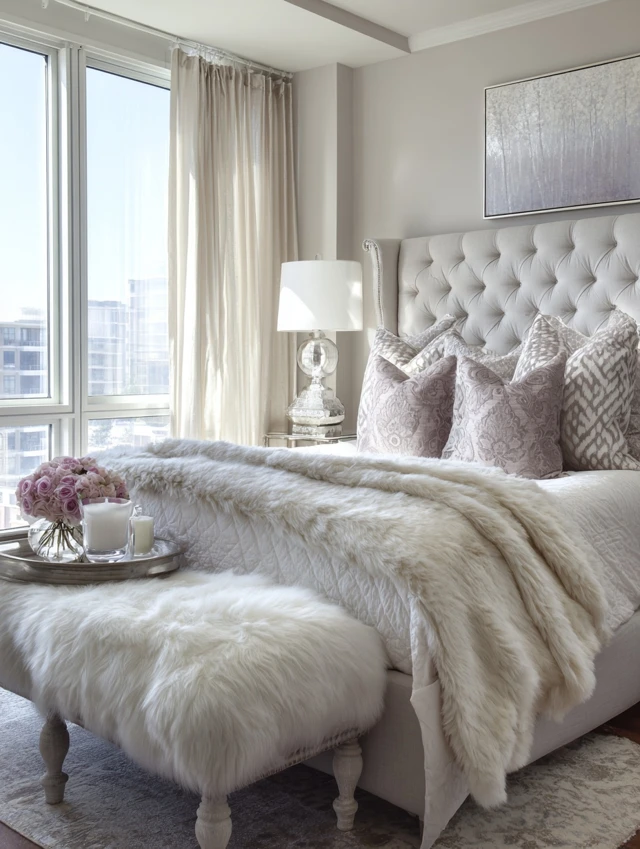
5. Lavender Gray and Cream
Peaceful with a touch of elegance.
Why it works:
Lavender relaxes without feeling childish.
1
2
3
4
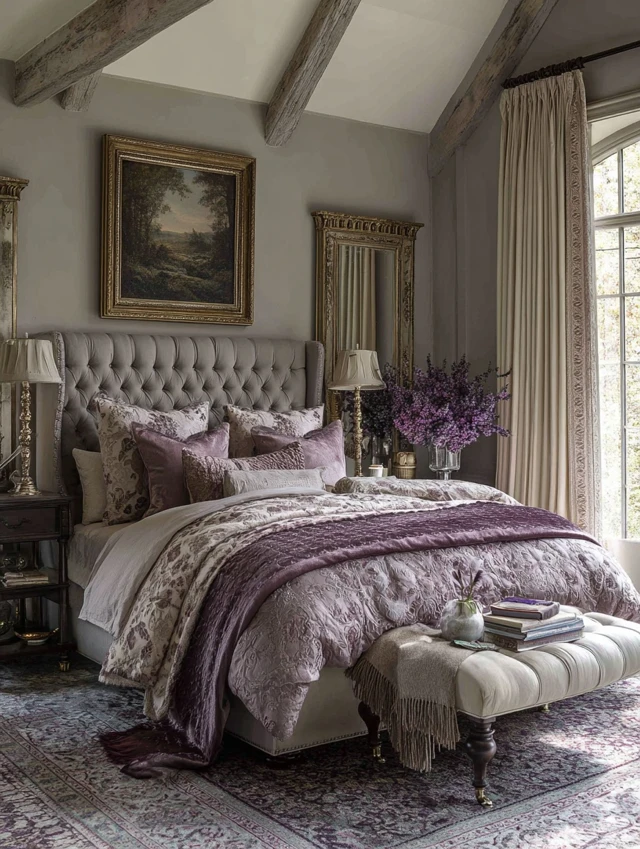
Styling tip:
Pair with glass or silver accents.
Calm Bedrooms Through Texture
Color alone isn’t enough — texture completes calm.
- Linen bedding
- Soft rugs
- Knitted throws
- Upholstered headboards
- Woven baskets
These details turn calm colors into emotional comfort.
Calm Color Schemes for Every Bedroom Style
Minimalist Calm Bedroom
White, greige, soft wood.
Modern Calm Bedroom
Cool taupe, ivory, charcoal accents.
Romantic Calm Bedroom
Blush, cream, gold details.
Coastal Calm Bedroom
Soft blue, sand, white.
Japandi Calm Bedroom
Warm beige, sage, natural wood.
Calm belongs to every style.
Lighting Matters More Than You Think
Calm colors glow best under soft lighting. Avoid harsh white bulbs. Choose warm or neutral light to keep the palette gentle.
Light is the invisible partner in every calm bedroom.
Calm Bedrooms for Small Spaces
Soft colors expand space visually. Pale shades reflect light and remove visual pressure, making small bedrooms feel open and breathable.
When Your Life Feels Loud
Calm bedroom color schemes become emotional medicine when life feels chaotic. They don’t solve problems — but they give you a place to breathe while you face them.
Accessories That Support Calm
- Neutral artwork
- Ceramic decor
- Light wood frames
- Soft candles
- Minimal plants
Everything should feel gentle.
Calm Bedrooms Across Life
Calm colors work for children, adults, couples, and seniors. They age beautifully. They don’t expire. They don’t overwhelm.
Final Reflections: Why Calm Colors Belong in Bedrooms
A calm bedroom isn’t just about sleep — it’s about safety. About feeling like you can finally stop performing and start resting.
Calm color schemes don’t ask for attention. They give permission.
They remind you that peace doesn’t have to be loud to be powerful.
If your bedroom doesn’t feel like a place to breathe yet, a calm color scheme might be the quiet shift that brings you home